
Charitable Giving Legacies
How Your Values Can Keep Working Long After You Do
Denise Bonk, Attorney at Law
6/23/20263 min read
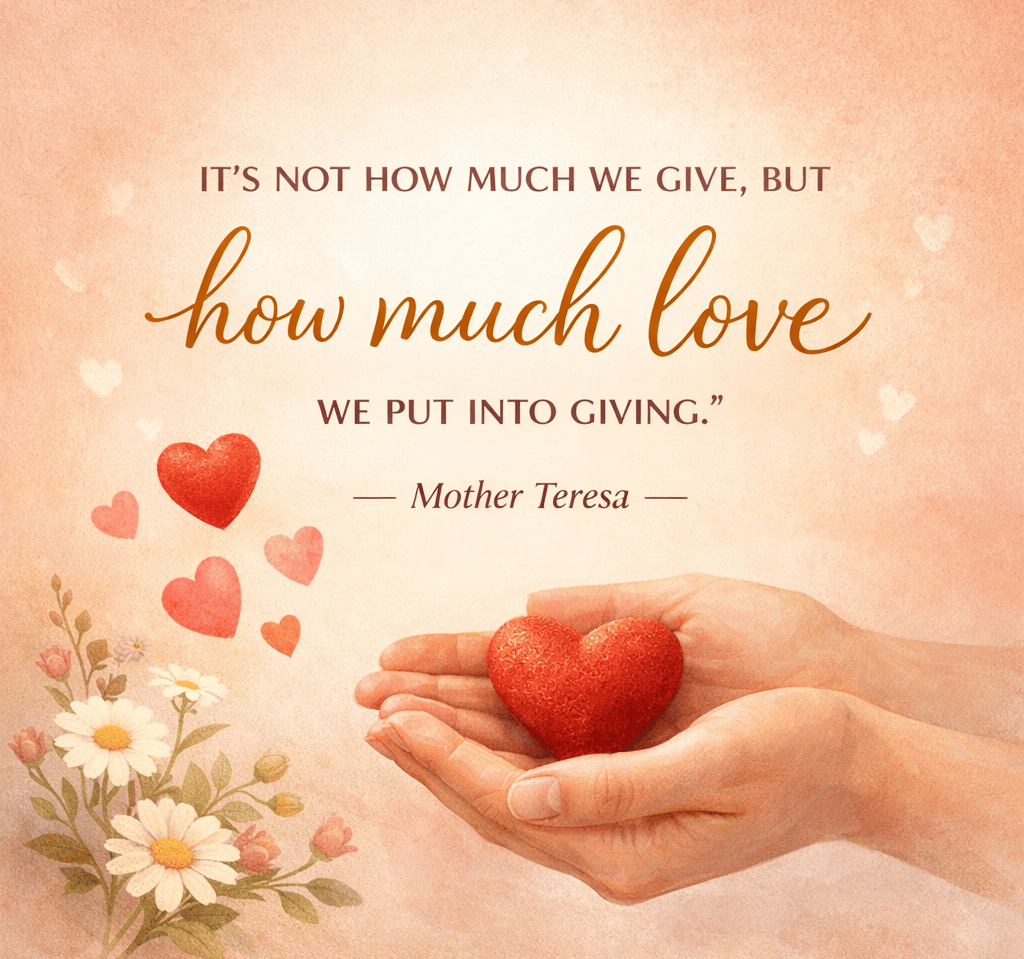
Building charitable giving into your Life Essentials isn’t about money. It’s about meaning. It’s a way to let your values keep moving through the world long after you’re no longer here to carry them.
Most people think about giving in terms of what they can do right now, donating, volunteering, showing up for a cause that matters to them. But there’s a quieter, more enduring form of generosity that often gets overlooked, the legacy you leave behind.
A charitable giving legacy is less about wealth and more about intention. It’s a way of saying: This is what I cared about. This is what I believed in. This is the kind of world I wanted to help build.
When you include a nonprofit or community organization in your Life Essentials, you’re choosing to let your values outlive you. You’re creating a ripple that continues long after your lifetime, supporting work you believe in, strengthening communities you care about, and helping people you’ll never meet.
What makes this kind of giving powerful is how personal it is. You get to decide what matters. You get to choose the impact you want to leave. You get to shape the story your generosity tells.
Some people support organizations that helped them during a difficult season. Others choose causes they’ve championed for years. Some focus on local groups doing quiet, essential work. Others support national or global missions. There’s no right answer, only what feels true to you.
And the practical side is simpler than most people expect. You can leave a specific amount, a percentage, or name a charity as a beneficiary of an account. You can support a general mission or direct your gift toward a particular program. You can update your choices anytime your life shifts.
The law gives you several straightforward ways to make it happen, and each option can be tailored to your values, your finances, and the kind of impact you want to leave.
Here are the most common legal methods:
1) Naming a charity in your will or trust
You can leave a specific dollar amount, a percentage of your assets, or the remainder of your estate after other gifts are made. This is called a bequest, and it’s one of the most flexible ways to support a cause you care about.
2) Naming a charity as a beneficiary of an account
You can list a nonprofit as a beneficiary on:
retirement accounts (IRA, 401(k), 403(b))
life insurance policies
bank or investment accounts
This is often one of the easiest ways to make a legacy gift because it doesn’t require changing your will. You simply update the beneficiary form with the organization’s legal name and EIN.
3) Using Transfer-on-Death (TOD) designations for:
real estate
vehicles
securities
certain financial accounts
This means you can name a charity to receive an asset automatically at your death, without probate.
4) Leaving a percentage instead of a fixed amount
Many people prefer to leave a percentage because it adjusts naturally with the size of their estate. This avoids the risk of giving too much or too little if your finances change over time.
5) Directing your gift to a specific purpose
If there’s a program or mission you want to support, you can state that in your documents. For example:
scholarships
community outreach
medical research
local programs
animal care
emergency services
Your attorney can help you phrase this in a way that gives the organization guidance without restricting them so tightly that the gift becomes unusable.
6) Providing the charity's legal information
To make sure your gift goes exactly where you intend, your documents should include:
the organization’s full legal name
its mailing address
its EIN (Employer Identification Number)
Most nonprofits list this information on their website under “Ways to Give” or “Planned Giving.”
7) Reviewing your choices every few years
Life changes. Your giving can change with it. You can update your charitable gifts anytime whether you want to add a new organization, adjust amounts, or shift your focus.
The size of the gift doesn’t determine its impact. A modest percentage can fund scholarships, keep a community program running, support research, or help a nonprofit weather a tough year. Legacy gifts often become the steady heartbeat that keeps organizations moving forward.
This isn’t about preparing for something grim. It’s about choosing the kind of mark you want to leave. It’s about letting your generosity keep working long after you’re no longer here to give it in person. It’s about aligning your Life Essentials with the values that shaped your life and letting the kindness you carried keep working long after you're gone.
If you are interested in including charitable giving as part of your Life Essentials, please reach out by clicking the button below.
Denise Bonk, Attorney at Law
317-202-5773 (talk or text available)
denise@dbonklaw.com
3250A West 86th Street, #1291
Indianapolis IN 46268
*Hours by appointment only*
© 2026. All rights reserved.
The information contained on this website is intended to introduce prospective clients to Denise Bonk, Attorney at Law and is not to be considered legal advice or an offer to represent you. This website is not intended to establish an attorney-client relationship. Emails sent to Denise Bonk, Attorney at Law through the use of this website, are not confidential and do not create an attorney-client relationship.